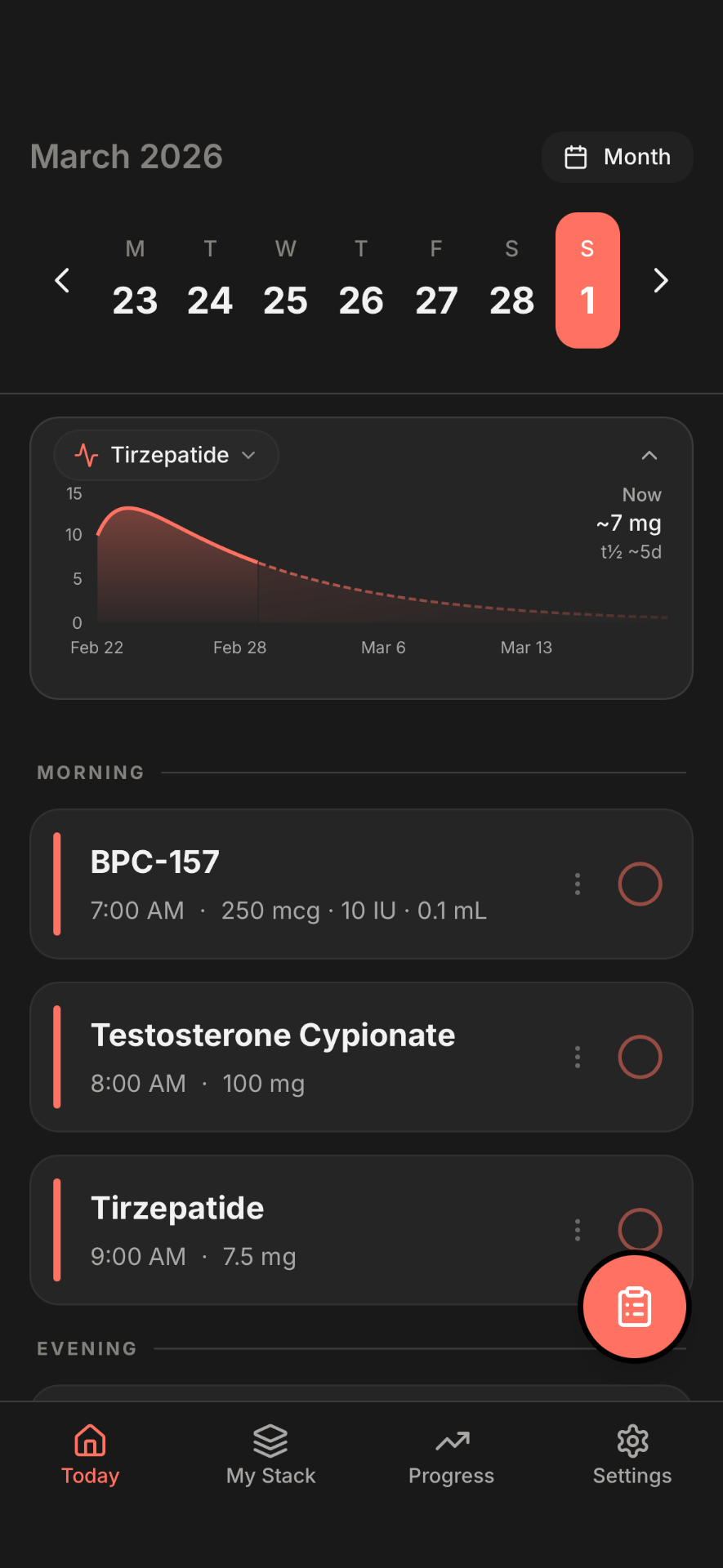
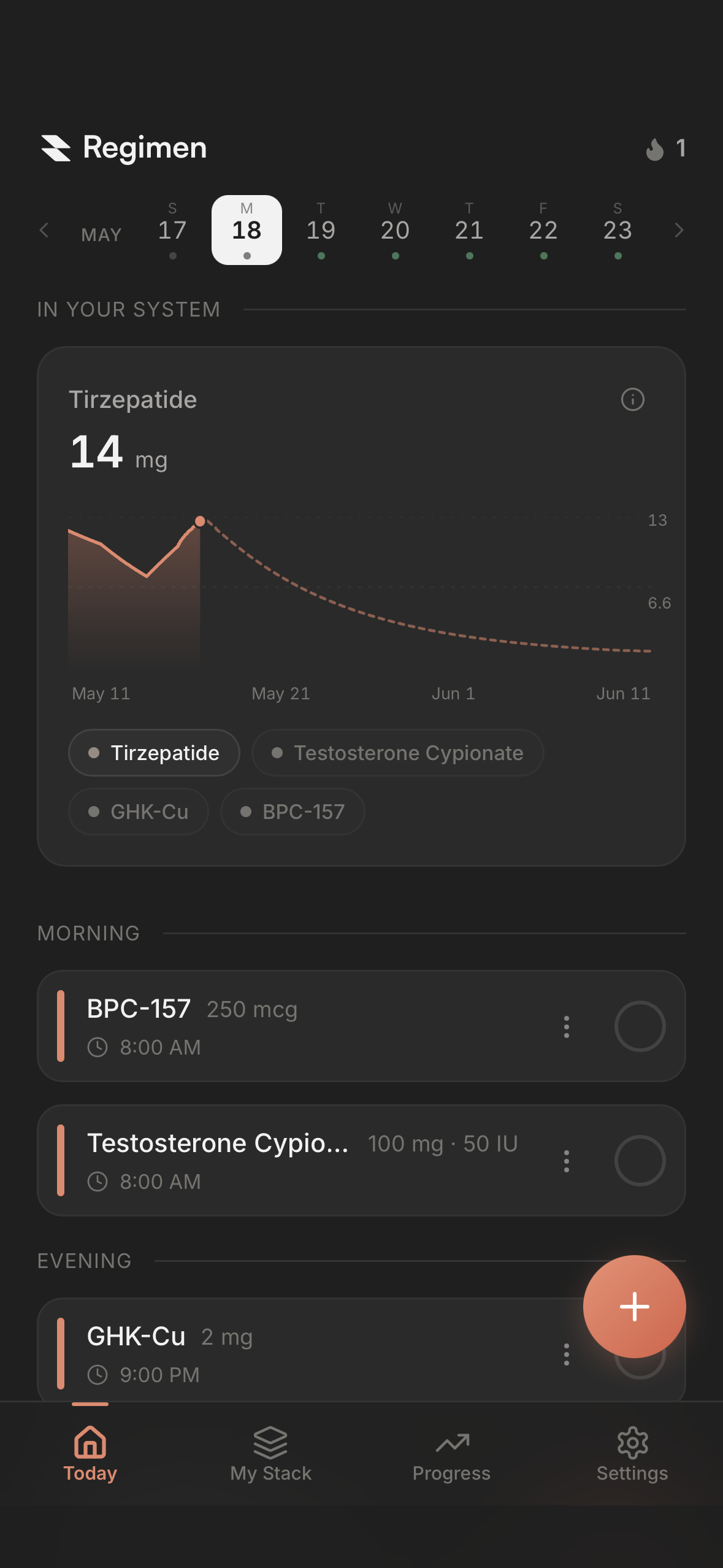
Here’s what nobody tells you about starting GLP-1 medications: staying on them is harder than starting them.
63% of people quit within the first year. Only 14% make it past 3 years.
It’s not because the medication doesn’t work. It’s because people struggle with the logistics: tracking weekly doses, understanding side effect patterns, staying motivated through plateaus, and documenting progress for insurance.
A tracker solves these problems. Here’s why you need one from day one.
Not sure which app to pick? See our roundup of the best GLP-1 tracker app in 2026, seven free and paid apps compared side by side.
In this article:
- The Real Challenge: This Is a Long-Term Commitment
- What Actually Needs Tracking
- Common Mistakes People Make
- How to Track: Your Options
- What Makes a Good GLP-1 Tracker
- Tracking for Each GLP-1 Medication
- The Insurance Documentation Problem
- FAQs
The Real Challenge: This Is a Long-Term Commitment
GLP-1 medications aren’t a quick fix. For most people, this is a months-long (often years-long, sometimes lifelong) journey.
What that means:
- Your provider adjusts doses based on your tolerance and progress
- Side effects peak and fade in predictable patterns
- You need to prove it’s working to justify the cost
- Insurance coverage can change
- Staying consistent with weekly injections is harder than it sounds
Without tracking, you’re relying on memory. And memory fails.
Common scenario:
Month 1: You start semaglutide. You feel nauseous for 3 days after your first injection.
Month 2: Your provider increases your dose. The nausea is back. Was it this bad last time? You can’t remember.
Month 3: You’re not sure if you took your dose this week. You think you did, but your pen is in the same spot. Did you forget to move it?
Month 4: Your insurance needs proof of weight loss. You don’t have consistent records. Your claim is denied.
With tracking, you’d know:
- Exactly when nausea started last time and how long it lasted
- Whether you took your dose (and when)
- Your weight at each stage
- Documented progress to show your insurance
What Actually Needs Tracking
Most people think they’ll remember everything. You won’t. Here’s what matters:
1. Dose and Date
Why it matters: Missing a dose or taking it late affects your medication levels all week. GLP-1s work best on a consistent schedule.
What to track:
- Exact dose (0.25mg, 0.5mg, 2.5mg, etc.)
- Date of injection
- Time of injection
- Whether you actually took it (this is harder to remember than you think)
The “did I take my dose?” problem: This is one of the most common issues. Your pen looks the same whether you used it or not. You might have gotten interrupted. Tracking eliminates the guessing.
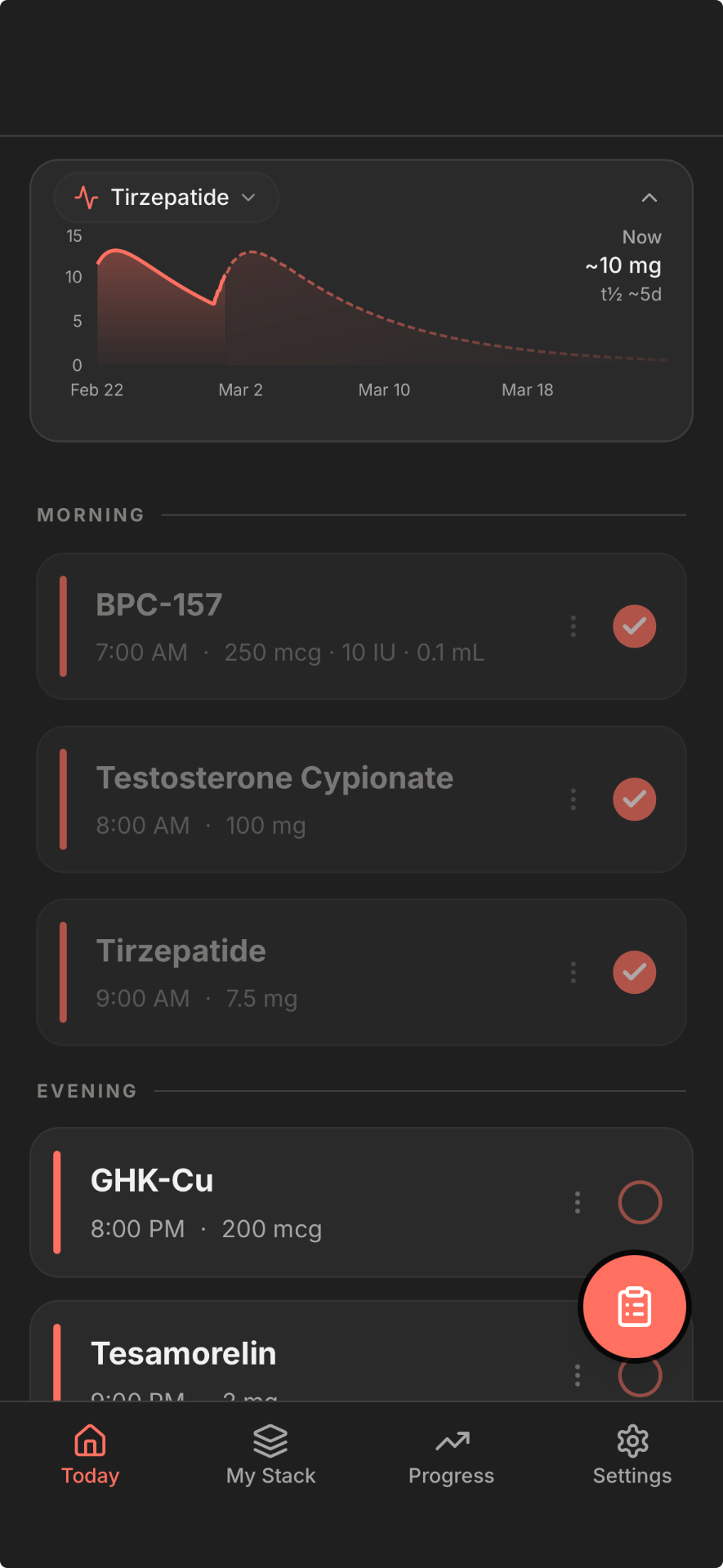
Mark doses as taken so you never wonder ‘did I inject this week?‘
2. Side Effects and Patterns
Why it matters: Side effects are the #1 reason people quit. But most side effects are temporary and dose-dependent. Understanding your patterns helps you prepare.
Common side effects:
- Nausea (usually peaks 1-3 days after injection)
- Constipation or diarrhea
- Fatigue
- Changes in appetite
- Sleep changes
What to track:
- When side effects started
- How severe (simple 1-5 scale works)
- How long they lasted
- What helped
Why this helps: You’ll see patterns. Nausea might always peak on day 2. Fatigue might only happen at higher doses. You can prepare instead of guessing.
Understanding medication levels: Your GLP-1 concentration builds throughout the week and peaks around days 1-3 after injection. This is why side effects often spike during this window. Knowing your levels helps explain why you feel different on different days.
3. Weight and Progress
Why it matters: This is how you know if it’s working. And insurance companies often require documented weight loss to continue coverage.
What to track:
- Weekly weight (same day, same time)
- How you feel (energy, cravings, sleep)
- Progress photos
Why weekly matters: Daily weight fluctuates 2-5 pounds based on water, food, and hormones. Weekly weigh-ins show the real trend.
Photo tracking for motivation: This might be the most powerful tracking tool. When the scale isn’t moving, photos often show changes you can’t see in the mirror. Weekly progress photos keep you motivated when weight loss stalls.
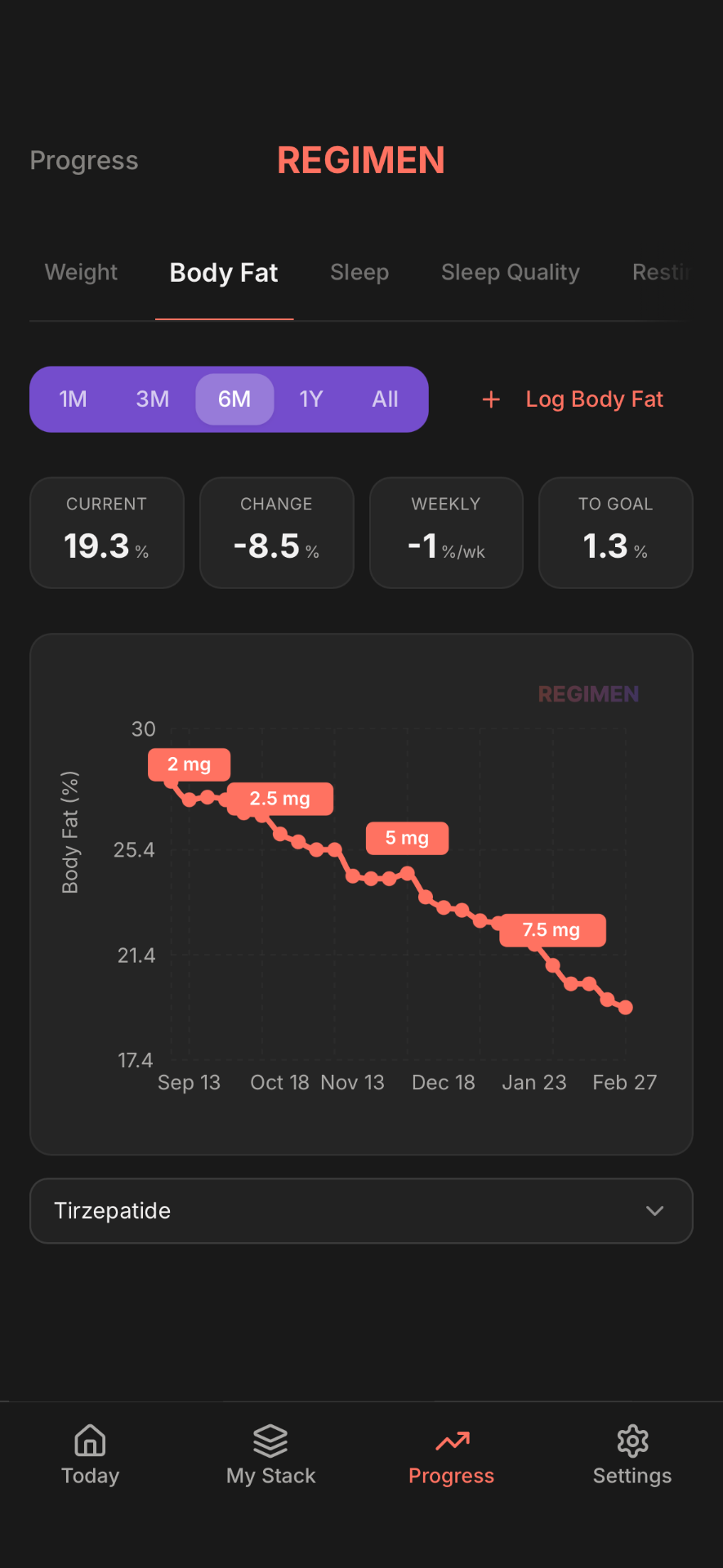
Weekly weigh-ins and progress photos in one timeline
4. Cost and Refills
Why it matters: GLP-1s are expensive. Brand name Wegovy is $900-1000/month without insurance. Compounded versions are $300-400/month. You need to know when refills are due.
What to track:
- Cost per pen/vial
- Insurance coverage status
- Refill dates
- Pharmacy changes
Common issue: Insurance approves 3 months, then denies the refill. If you’re not tracking dates, you run out and have to restart the approval process.
Common Mistakes People Make
Mistake 1: Not Tracking From Day One
The problem: You wait until you have a problem to start tracking. By then, you’ve lost valuable data about how your body responds.
The solution: Start tracking with your first injection. Even if you only log doses and weight, you’ll thank yourself later.
Mistake 2: “Did I Take My Dose This Week?”
The problem: It’s Friday. You can’t remember if you took your Wednesday injection. Your pen looks the same. You’re not sure.
The solution: Log it immediately after injecting. Or use an app with reminders that you mark as taken.
Mistake 3: Not Documenting Progress for Insurance
The problem: Insurance denies your refill. They want proof you’ve lost weight. You don’t have consistent records.
The solution: Track weight weekly from day one. Even if insurance doesn’t require it now, they might later.
Mistake 4: Inconsistent Injection Timing
The problem: You inject Monday one week, Thursday the next, Saturday after that. Your medication levels are all over the place. Side effects feel worse.
The solution: Track injection dates. Pick the same day each week. Set a reminder.
If you and your provider are adjusting dose size or frequency, the Microdosing Semaglutide and Tirzepatide Guide is a useful related resource for understanding what to log during lower-dose protocols.
Mistake 5: Not Understanding Your Side Effect Patterns
The problem: You feel terrible on day 2 after injection. You think the medication isn’t working. You consider quitting.
The solution: Track daily notes. You’ll see the pattern: day 1 is fine, day 2-3 are rough, day 4+ you feel better. This is normal. Knowing the pattern helps you push through.
How to Track: Your Options
Option 1: Spreadsheet or Notes
Pros: Free, flexible, you control the data
Cons: You have to build it, update it manually, no reminders, hard to see trends, doesn’t work well on mobile
Real talk: Spreadsheets work for about 2 weeks, then most people stop updating them. We’ve all been there. You start a spreadsheet with grand plans, update it religiously for a week, then it becomes another abandoned tab.
Option 2: Dedicated Tracking App
Pros: Built for this exact purpose, reminders, trend visualization, works on your phone, easy photo tracking
Cons: Usually costs money
Regimen is built specifically for this. It handles GLP-1 dose logging, weekly reminders, weight tracking, and progress photos in one app.
Bottom line: Most people find that apps get used consistently, while spreadsheets get abandoned. But use whatever works for you.
What Makes a Good GLP-1 Tracker
Here’s what to look for:
Must-Have Features:
- Dose logging - Mark when you took your injection, what dose, confirm it’s done
- Weekly reminders - Never forget your injection day
- Weight tracking - Log weight, see trends over time, compare to starting point
- Notes for each day - Track how you feel, energy levels, sleep quality, cravings, side effects
- Progress photos - Weekly photos to stay motivated when the scale stalls
Nice-to-Have Features:
- Medication level visualization - See how much medication is in your system throughout the week (helps explain why side effects peak on certain days)
- Tracking metrics - Energy, sleep, cravings on a simple 1-5 scale to spot patterns over time
- Vial management - Set start dates, get notifications when vials are expiring (for compounded users)
- Export data - Download your records for insurance or provider visits
Tracking for Each GLP-1 Medication
Different medications have different schedules. Here’s what you need to know:
Ozempic / Wegovy (Semaglutide)
Typical escalation (always follow your provider’s guidance):
- Starting: 0.25mg weekly
- After 4 weeks: 0.5mg weekly
- After another 4 weeks: 1mg weekly
- Eventually: 1.7mg or 2.4mg weekly
Your provider may adjust this timeline based on your tolerance and progress.
What to track:
- Weekly injection day (pick the same day each week)
- Weight before each dose adjustment
- Nausea severity days 1-3 after injection
Mounjaro / Zepbound (Tirzepatide)
Typical escalation (always follow your provider’s guidance):
- Starting: 2.5mg weekly
- After 4 weeks: 5mg weekly
- After another 4 weeks: 7.5mg weekly
- Eventually: 10mg, 12.5mg, or 15mg weekly
Your provider will determine the right pace for you.
What to track:
- Weekly injection day
- Appetite changes (tirzepatide (tirz) often hits harder than semaglutide)
- Energy levels throughout the week
Compounded Versions
If you’re using compounded semaglutide or tirzepatide, you also need to track:
- Date you mixed each vial (reconstitution date)
- When it expires (typically 4-6 weeks from mixing)
- Which vial you’re currently using (if you have multiples in the fridge)
Use our GLP-1 dose calculator to figure out exactly how many units to draw, or check out our reconstitution guide for step-by-step instructions.
GLP-1 Dosing Tools
Calculate your compounded semaglutide or tirzepatide dose, or plan your titration schedule with our free tools.
GLP-1 Dose Calculator · Titration Planner
The Insurance Documentation Problem
Most insurance companies cover GLP-1s for diabetes but require prior authorization for weight loss.
What happens without tracking:
You lose 15 pounds in 4 months. Insurance asks for proof. You don’t have dated records. They deny coverage. You’re stuck paying $900/month or quitting.
What happens with tracking:
You have weekly weight logs from day one. You export the data. You submit it with your prior authorization. Approved.
Can you really submit app screenshots to insurance?
Yes. Insurance companies accept documented weight logs from tracking apps as evidence of progress. They need to see consistent tracking with dates and trends. Having this data ready can make the difference between approval and denial.
Tracking Multiple Vials (Compounded Users)
If you’re using compounded semaglutide or tirzepatide, you’re managing multiple vials with different timelines.
Common setup:
- 5mg vial + 2mL bacteriostatic water
- Your dose increases over time
- Each vial lasts a different length depending on your dose
What to track:
- Vial 1: Mixed Jan 1, expires Feb 1, used for 0.5mg doses
- Vial 2: Mixed Feb 15, expires Mar 15, used for 1mg doses
- Vial 3: Mixed Mar 20, expires Apr 20, current vial
Without tracking, you’ll forget which vial was mixed first or accidentally use an expired one.
FAQs
Do I really need to track from day one?
Yes. The hardest data to remember later is how you felt in the early weeks. Side effects, energy levels, appetite changes. Track it now while it’s happening.
What if I’m only planning to use GLP-1s for 6 months?
Most people say that, then they’re still on it 18 months later. Track from the start. You’ll thank yourself later.
Can’t I just use my phone’s notes app?
You can, but most people don’t stick with it. Notes apps don’t remind you, don’t show trends, and don’t organize data well. Use something built for tracking.
What if I miss logging a dose?
Add it retroactively when you remember. Better late than never. But set reminders so you don’t miss in the first place.
How do I track side effects if they change throughout the week?
Use daily notes. Even just “felt good” or “nauseous pm” helps. You’ll see when side effects peak (usually 1-3 days post-injection for GLP-1s).
Should I track food too?
If you want, but it’s not required. Focus on dose, weight, and side effects first. Add food tracking only if you find it helpful and it doesn’t trigger obsessive behaviors.
What about exercise?
Same answer. Nice to have, not required. Don’t overcomplicate it. Start simple: dose, weight, how you feel.
How long do I need to track?
As long as you’re on the medication. Tracking helps you optimize your protocol, catch patterns, and stay motivated through plateaus.
Ready to Start Tracking Your GLP-1 Journey?
Stop relying on memory. Start understanding your body’s patterns from day one.
Track with Regimen:
- Log weekly doses and confirm you took them
- Set reminders so you never miss injection day
- Track weight and see your progress over time
- Daily notes for side effects, energy, sleep, and cravings
- Progress photos to stay motivated through plateaus
- Visualize medication levels throughout the week
- Set cycle end dates so you know when to reorder (compounded users)
Related Articles
- Peptide Reconstitution Calculator: Complete Guide
- BPC-157 + TB-500: The Ultimate Recovery Stack
- Orforglipron: The First Oral GLP-1 Pill
- GLP-1 Digestive Side Effects: What Actually Helps
Related Trackers
- Ozempic Tracker
- Wegovy Tracker
- Mounjaro Tracker
- Zepbound Tracker
- Semaglutide Tracker
- Tirzepatide Tracker
Disclaimer: This article is for educational purposes only and is not medical advice. GLP-1 medications should be used under the supervision of a qualified healthcare provider. Always follow your provider’s guidance on dosing and schedule adjustments. Individual results may vary.
Ready to track your GLP-1?
- Smart reminders so you never miss a dose
- Track weight, photos, and progress over time
- Medication level curves for every compound