The Bottom Line
Sulfur burps on GLP-1s are caused by delayed gastric emptying + bacterial fermentation of food sitting in your stomach longer than usual. They’re common, temporary (worst during the first weeks of each dose increase), and manageable. The fix: eat smaller meals, reduce high-sulfur and high-fat foods, stay upright after eating, and consider split dosing with your provider if they’re severe.
Why GLP-1s Cause Sulfur Burps
Let’s skip the polite version: sulfur burps smell like rotten eggs, and they’re one of the most-searched side effects on Ozempic, Wegovy, and Mounjaro. The good news is they’re not dangerous. The bad news is they can ruin your afternoon.
Here’s the mechanism in plain English:
- 1.GLP-1 slows your stomach. Semaglutide and tirzepatide activate GLP-1 receptors that dramatically slow gastric emptying. Food that used to leave your stomach in 2-3 hours now takes 4-6+.
- 2.Bacteria ferment the food. While food sits longer, gut bacteria break down sulfur-containing compounds (from eggs, meat, cruciferous vegetables, dairy) and produce hydrogen sulfide gas.
- 3.The gas comes up. Hydrogen sulfide rises from your stomach as burps. The “rotten egg” smell is the hydrogen sulfide itself - the same gas that gives hot springs their distinctive odor.
This is why sulfur burps are worse after large meals, high-fat meals, and meals rich in sulfur-containing foods. It’s also why they tend to improve as your body adjusts to each dose level - your gut microbiome eventually adapts to the slower transit time.
When They Start, Peak, and Stop
Sulfur burps follow a predictable pattern for most people:
Days 1-3After each dose - usually the worst window. Your stomach is adjusting to the new level of slowing.
Weeks 1-2Peak severity. Most common during the first two weeks at a new dose level.
Weeks 3-4Gradual improvement as your gut adjusts. Many people report significant reduction by week 3.
Next titrationThe cycle often resets when you increase your dose, but it’s usually milder than the first time.
This is why tracking your side effects relative to your dose changes matters. If you can see that sulfur burps peak on days 2-4 post-injection and resolve by day 6, you can plan your meals and social calendar accordingly.
Trigger Foods: What Makes It Worse
Not all foods are equal when it comes to sulfur burps. The biggest offenders are foods high in sulfur-containing amino acids and compounds:
High-Sulfur Foods (Most Likely to Trigger)
-
• Eggs (especially yolks)
-
• Broccoli, cauliflower, Brussels sprouts, cabbage
-
• Garlic and onions
-
• Red meat (especially processed)
-
• Dairy (milk, cheese, cream)
-
• Beer and wine
-
• High-fat fried foods
-
• Protein shakes with certain sweeteners
The irony: many of these are high-protein foods that are recommended on GLP-1s for preserving muscle mass. The goal isn’t to eliminate protein - it’s to choose lower-sulfur protein sources during your worst symptom windows.
Lower-Sulfur Protein Alternatives
- • Chicken breast, turkey, fish (lower sulfur than red meat and eggs)
- • Greek yogurt (often better tolerated than milk/cheese)
- • Tofu and plant-based proteins
- • Rice-based or pea protein shakes (instead of whey)
What Actually Helps (and What Doesn’t)
Reddit threads on this topic run hundreds of comments deep. Here’s what consistently works versus what’s mostly wishful thinking:
What works
- Smaller, more frequent meals. The #1 most effective change. Eating less at once means less food sitting in your stomach fermenting. 4-5 small meals beats 2-3 large ones.
- Eating slowly and chewing thoroughly. Sounds obvious, but slower eating means less air swallowed and better mechanical digestion before food hits your sluggish stomach.
- Staying upright for 2-3 hours after eating. Gravity helps move food through. Don’t lie down or recline after meals.
- Reducing trigger foods during the first 2 weeks of a new dose. You don’t have to avoid them forever - just during the adjustment window.
- Ginger tea or ginger supplements. Ginger is a prokinetic - it helps your stomach empty faster. Many users report meaningful relief. Try ginger tea 20-30 minutes before meals.
- Bismuth subsalicylate (Pepto-Bismol). Bismuth binds hydrogen sulfide directly. Effective for acute episodes, but not a daily long-term solution.
- Probiotics. Some users report improvement with probiotics, though the evidence is mixed. Look for strains that support gut motility.
What doesn’t really help
- Drinking more water during meals. Actually makes it worse - it dilutes digestive enzymes and adds volume to your already-slow stomach.
- Activated charcoal. Can bind nutrients and interfere with medication absorption. Not recommended with GLP-1s.
- Antacids. Sulfur burps aren’t an acid problem. Tums and similar antacids don’t address the fermentation mechanism.
- Skipping meals entirely. Leads to binge eating later, which makes the problem worse. Small frequent meals are better than feast-or-famine.
Split Dosing: A Strategy Worth Discussing
One approach gaining traction in GLP-1 communities - and increasingly supported by providers - is split dosing: dividing your weekly dose into two smaller injections.
Instead of 1.0 mg of semaglutide once per week, you’d inject 0.5 mg twice per week (e.g., Monday and Thursday). The total weekly dose stays the same, but the peak-to-trough difference is smaller, which means:
- Less dramatic gastric slowing after each injection
- More consistent appetite suppression throughout the week
- Often significant reduction in GI side effects, including sulfur burps
Split dosing requires compounded medication (brand-name pens can’t be split), and you should only do it with your provider’s guidance. But if GI side effects are your biggest barrier to staying on your GLP-1, it’s a conversation worth having.
We cover this in depth in our microdosing GLP-1 guide, including protocols and what to track.
When to Call Your Doctor
See your provider if you experience:
- • Sulfur burps that persist unchanged beyond 6-8 weeks at the same dose
- • Vomiting, severe abdominal pain, or inability to keep food down
- • Signs of gastroparesis: feeling full after a few bites, vomiting undigested food hours after eating
- • Weight loss that’s too rapid (more than 1% of body weight per week sustained)
- • Sulfur burps accompanied by diarrhea, fever, or blood in stool (may indicate a different GI issue)
Most sulfur burps are annoying but harmless. The red flags above suggest something beyond normal GLP-1 side effects and warrant medical evaluation - possibly gastroparesis screening or a dose reduction.
Tracking Side Effects to Find Your Pattern
The most useful thing you can do for sulfur burps (and all GLP-1 side effects) is track them relative to your injection day. After a few weeks, you’ll see your personal pattern:
- Which days post-injection are worst?
- Which meals trigger burps vs. which are safe?
- Does the pattern improve with each week at the same dose?
- How does splitting meals change the severity?
This data is also invaluable for your provider. “I get sulfur burps on days 2-4 after injection, triggered mainly by eggs and dairy, improving by week 3 at each dose” is dramatically more useful than “I have bad burps.”
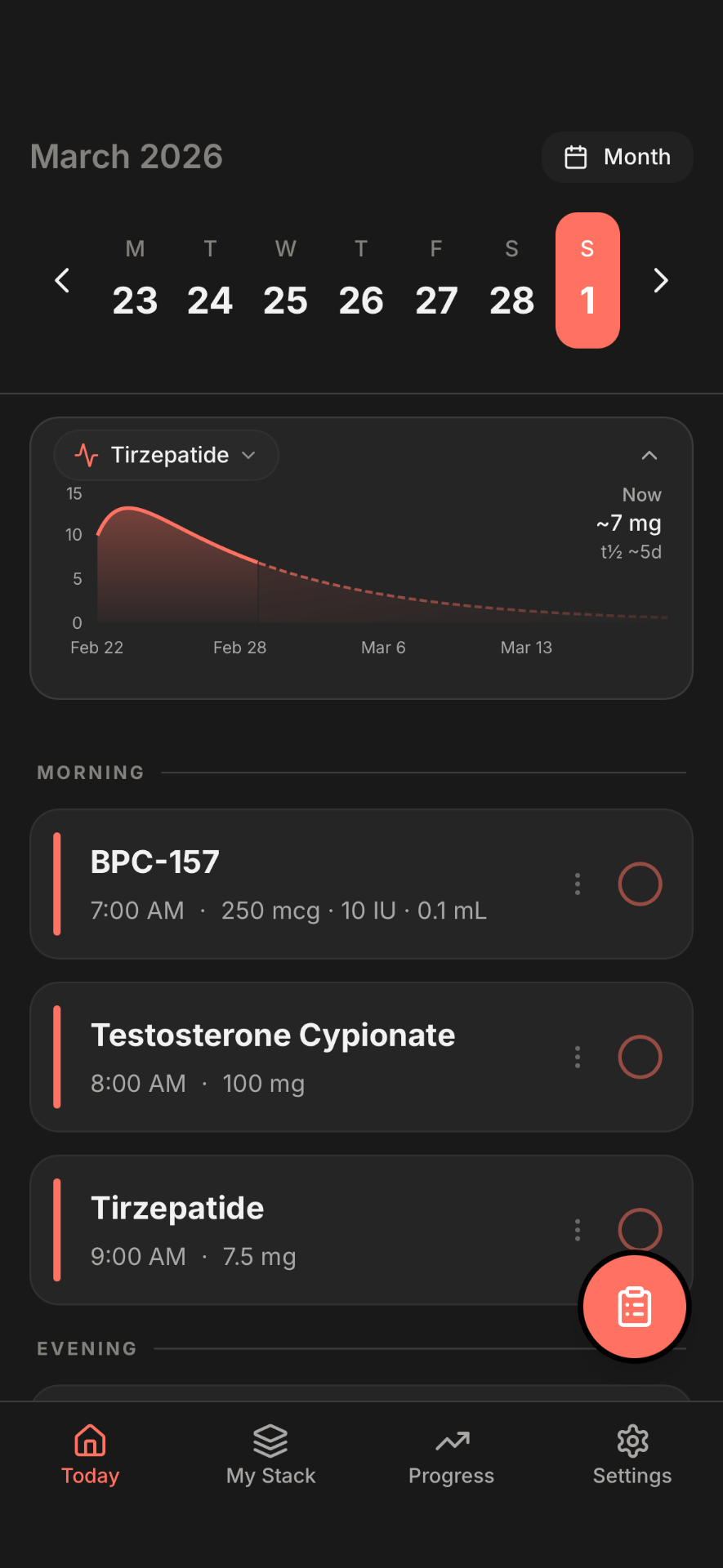
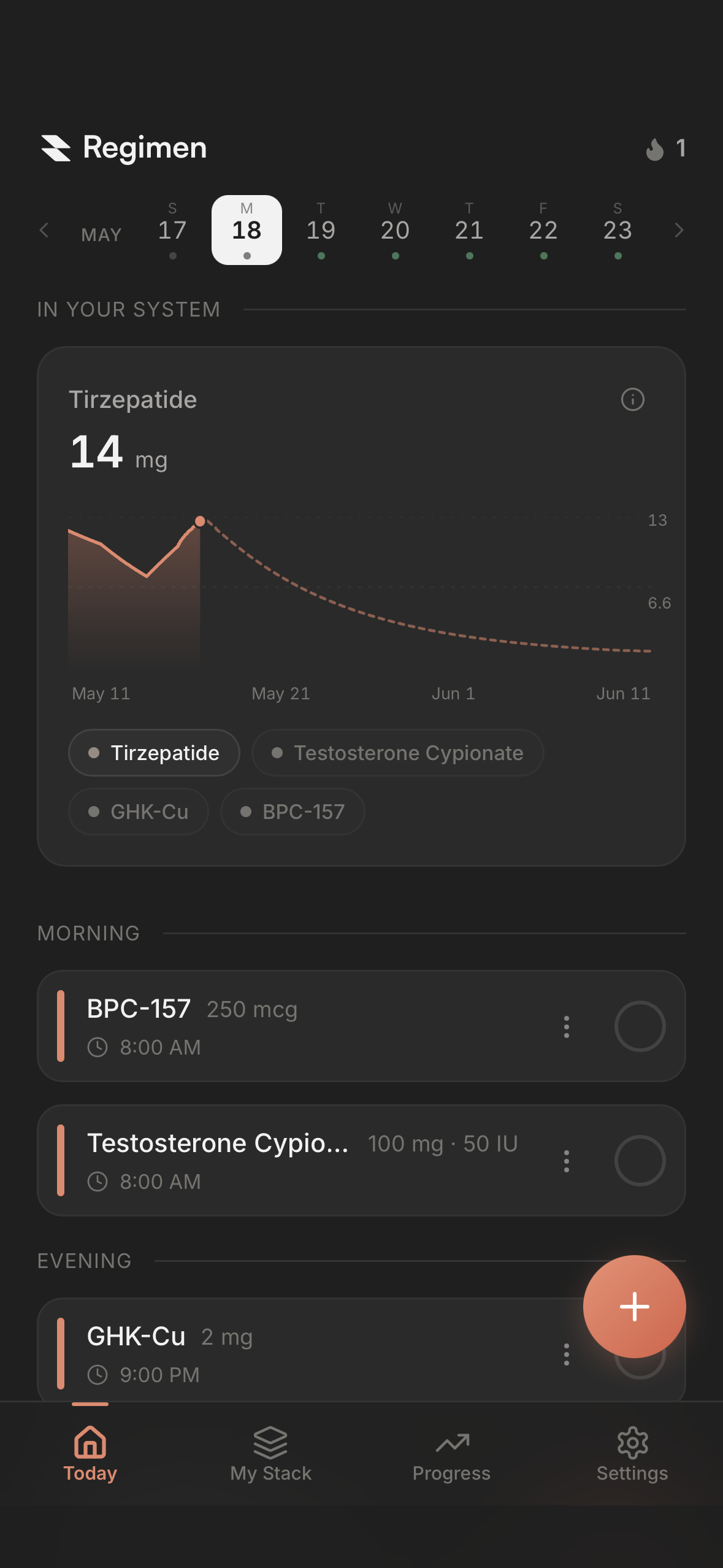
Regimen lets you log side effects alongside doses and see correlations over time - including how they change with each titration step.
Frequently Asked Questions
Why does semaglutide cause sulfur burps?
Semaglutide slows gastric emptying, giving gut bacteria more time to ferment food (especially high-sulfur foods like eggs, cruciferous vegetables, and dairy), producing hydrogen sulfide gas with a distinctive ‘rotten egg’ smell.
How long do sulfur burps last on Ozempic?
For most people, sulfur burps are worst during the first 2-4 weeks at a new dose and improve as your body adjusts. They often return temporarily with each titration step but are typically milder each time.
Are sulfur burps a sign that Ozempic is working?
Not exactly. They indicate the medication is slowing digestion (part of how it works), but many people lose significant weight without ever experiencing sulfur burps. You don’t need them for the medication to be effective.
Does tirzepatide cause sulfur burps too?
Yes, but clinical trial data suggests GI side effects may be slightly less common with tirzepatide (Mounjaro/Zepbound) than semaglutide, possibly due to the GIP component. Individual experiences vary widely.
Can I take Pepto-Bismol for GLP-1 sulfur burps?
Bismuth subsalicylate (Pepto-Bismol) can help because bismuth binds hydrogen sulfide. Many users report relief. However, it shouldn’t be used daily long-term. Use it for acute episodes while you work on dietary triggers.
Will sulfur burps go away if I lower my dose?
Often yes. Sulfur burps are dose-dependent for many people. If they’re severe, your provider may keep you at a lower dose longer before titrating up, or try split dosing to reduce GI side effects.
Disclaimer: This article is for educational purposes only and is not medical advice. If you experience severe or persistent GI symptoms on GLP-1 medications, consult your prescriber. Never adjust your dose without medical supervision. Individual responses to medication vary.
Ready to track your GLP-1?
- Smart reminders so you never miss a dose
- Track weight, photos, and progress over time
- Medication level curves for every compound