This article is educational and not medical advice. Talk to a licensed healthcare provider before starting, stopping, or switching any medication.
You’re standing in the kitchen on a Sunday, pen in hand, doing the weekly ritual again. And this time a thought lands: didn’t they just approve a pill for this?
They did. It’s called Foundayo (the generic name is orforglipron), and it got FDA-approved in April 2026. If you’ve been on Ozempic, Wegovy, Mounjaro, or Zepbound and you’re a little tired of the shot, the idea of swapping needles for a tablet is genuinely appealing.
So the question you actually came here with: can you switch, and should you?
Let’s walk through it like a friend who already looked into this, not a pharmacy pamphlet.
The quick answer
Yes, switching from an injectable GLP-1 to the pill is possible, and plenty of people are asking their providers about it right now. The pill (Foundayo) is a real, FDA-approved option, not a knockoff or a gray-market thing. Here’s the honest catch: the pill’s weight-loss numbers are a bit lower than the top injectables. In its main trial, Foundayo got people to about 12% body weight lost. Tirzepatide (Zepbound/Mounjaro) has hit around 20% in its trials. So you’re likely trading some pounds for a lot more convenience. Whether that trade is worth it depends on you. And the actual switch, the dosing and the timing, is something your provider sets up, not something you DIY.
Why people want to switch to the pill
The reasons are pretty human, and none of them are silly.
You’re just done with needles. Some people never get comfortable with the weekly injection. The anxiety before, the bruise after, the little ritual you dread. A pill you swallow with your coffee erases all of that.
No more fridge math. Injectable GLP-1s need refrigeration. That means planning around your pens for every trip, packing a cooler bag, hoping the hotel mini-fridge actually works. Foundayo is a room-temperature tablet. You throw it in your bag and go.
Travel gets easier. No pens, no needles going through airport security, no explaining anything to anyone. This is a bigger deal than it sounds if you fly a lot.
Cost and coverage. Sometimes the pill lands cheaper, or your insurance covers it differently. Foundayo starts around $149 a month self-pay at the lowest dose, as low as $25 a month with commercial insurance and a savings card, and there’s a $50-a-month Medicare Part D option starting July 2026. Your own numbers depend on your plan, so this is worth pricing out.
Side effects. Some people hope a pill will be gentler on their stomach. Fair to hope, but be honest with yourself here (more on that below).
Why people decide NOT to switch
The flip side matters just as much, because switching isn’t automatically the better move.
The weight loss is a step down from the strongest shots. This is the big one. If you’re on tirzepatide (Zepbound or Mounjaro) and it’s working, you’re on one of the most effective options out there. Here’s the rough picture:
| Option | How it’s taken | Weight loss in trials |
|---|---|---|
| Tirzepatide (Zepbound/Mounjaro) | Weekly injection | ~20% (SURMOUNT-1, 72 wks) |
| Semaglutide (Wegovy) | Weekly injection | ~15% (STEP-1, 68 wks) |
| Foundayo (orforglipron) | Daily pill | ~12% (ATTAIN-1, 72 wks) |
So if the shot is genuinely working for you and you can tolerate it, switching to the pill might mean giving back some of your results. That’s a real trade, not a scare tactic.
The stomach stuff doesn’t magically disappear. Foundayo is in the same family as the shots, and it works the same basic way. That means the same lineup of possible side effects: nausea, constipation, diarrhea, vomiting, indigestion, stomach pain, and so on. A pill isn’t a stomach-friendly cheat code. GI stuff tends to be worst when you’re first ramping up on any of these, injection or pill.
A daily habit vs. a weekly one. The shot is once a week. The pill is once a day. Some people love a daily routine because it’s easier to remember. Others find that a once-a-week thing was actually simpler to keep up with. Know which kind of person you are.
What actually changes when you switch
Say you and your provider decide to make the move. Here’s what’s genuinely different, in plain terms.
How the drug gets into you. The shot deposits the medication under your skin, into the fat layer, and it absorbs from there slowly over the week. A pill goes through your digestive system instead. Different route, same general goal: hitting the GLP-1 receptors that turn down appetite and slow how fast your stomach empties.
One nice thing about Foundayo specifically: you can take it any time of day, with or without food, no water rules. You just swallow the tablet whole (don’t crush or chew it) and get on with your morning. That’s worth calling out because there’s another pill in this space, the oral semaglutide one, that has strict rules: empty stomach, tiny sip of water, then wait 30 minutes before you eat or drink anything. Foundayo skips all of that. If needle-free but with a rigid morning routine sounds like a downgrade, Foundayo is the flexible one.
You start over on the ramp-up. You don’t just jump onto the pill at a dose that matches your shot. These medications get introduced gradually to keep side effects manageable, and your provider maps that out. Foundayo comes in several tablet strengths, and the plan is to step up over time. What that schedule looks like for you is your provider’s call, based on the official label and how you’re doing.
Your results might shift. Because you may be moving from a stronger injectable to a somewhat less powerful pill, your weight trend could change. Maybe it slows. Maybe it holds steady. This is exactly the kind of thing to watch closely in the first couple of months so you and your provider can talk about whether the trade is working for you.
What to expect in the first few weeks
Nobody likes surprises with this stuff, so here’s a realistic heads-up.
Expect some stomach adjustment when you start or step up a dose. Nausea is the most common one people report. It usually settles as your body gets used to the medication. This is normal for the whole GLP-1 family, and it’s not a sign you picked wrong.
Expect to pay attention to your appetite signals. The pill works on the same “I’m full, I don’t need more” wiring as the shots. For some people that feeling comes back strong right away, for others it takes a bit to build.
Expect to keep an eye on the scale trend, not the daily number. You’re partly running an experiment: does this pill hold your results the way the shot did? A few weeks of data tells you a lot more than day three.
And expect your provider to want a check-in. This isn’t a set-it-and-forget-it swap.
The one rule: your provider runs the actual switch
This is the part we won’t hand-wave.
We’re not going to tell you a dose. We’re not going to give you a conversion chart from your shot to the pill. That’s not us being cagey, it’s that this genuinely is a medical decision that depends on your history, what you’re currently on, how you’ve tolerated it, and your goals.
What every reliable source agrees on: don’t stack the pill on top of your injectable, and don’t self-design the transition. You talk to your prescriber, they map the plan, you follow it. Your job is to show up with good questions:
- Given how my current shot is working, will the pill likely hold my results?
- What does my ramp-up look like, and when do we check in?
- What does this cost me specifically, with my coverage?
- What side effects should make me call you?
Bring those, and you’ll get a real answer that fits you.
So, should you switch?
Here’s the honest read.
If your injectable is working well, you tolerate it fine, and the weekly shot doesn’t bother you much, there’s a solid case for leaving a good thing alone. Especially if you’re on tirzepatide and getting strong results.
If the needle is a genuine source of stress, if the refrigeration and travel hassle is wearing on you, or if the cost or coverage lines up better, the pill is a legitimate option worth raising with your provider. You might give back a little on the weight-loss ceiling. For a lot of people, needle-free and fridge-free is worth that.
There’s no universally right answer. There’s just the trade that fits your life. Now you actually know what the trade is. If you want the full head-to-head, our GLP-1 pill vs injection guide lays out every option side by side.
Keep track of the switch (this is where we come in)
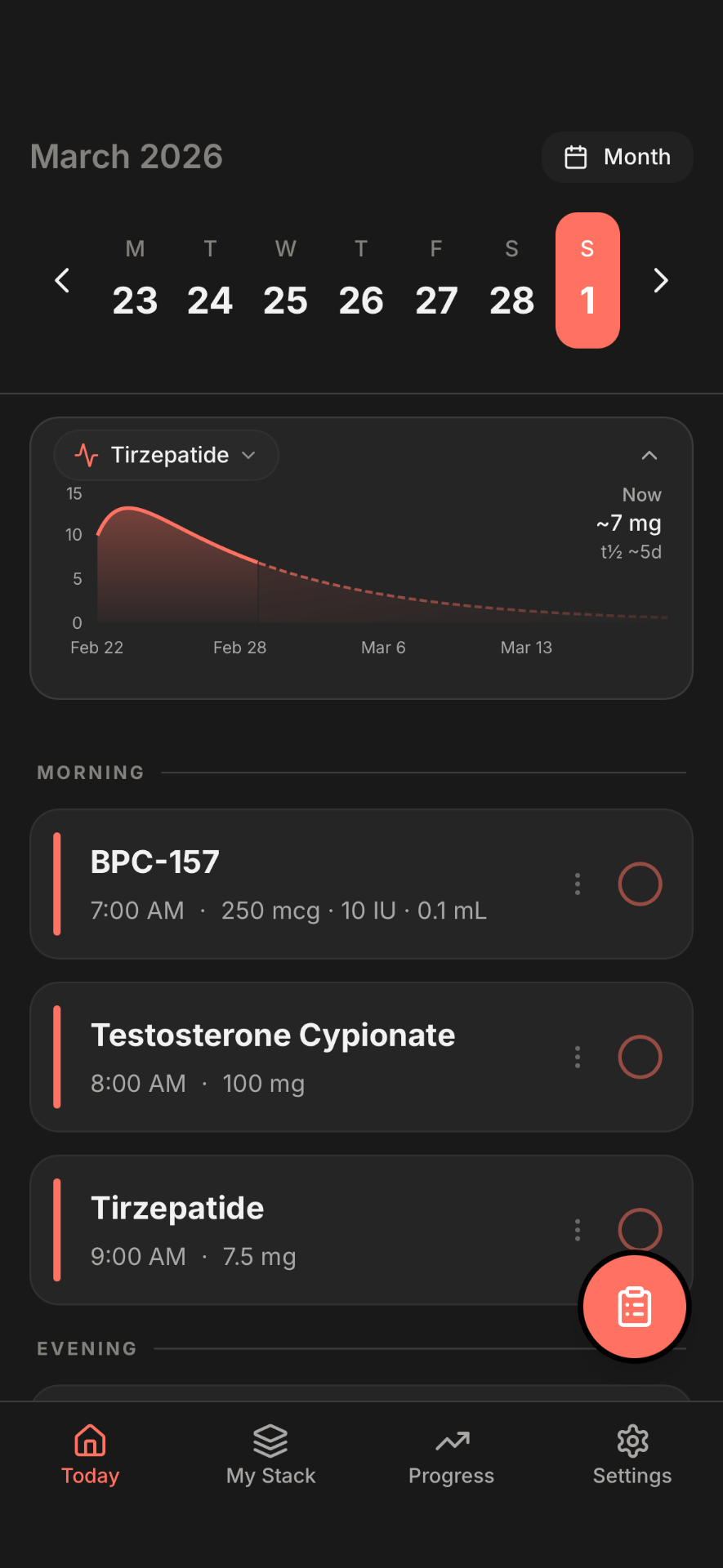
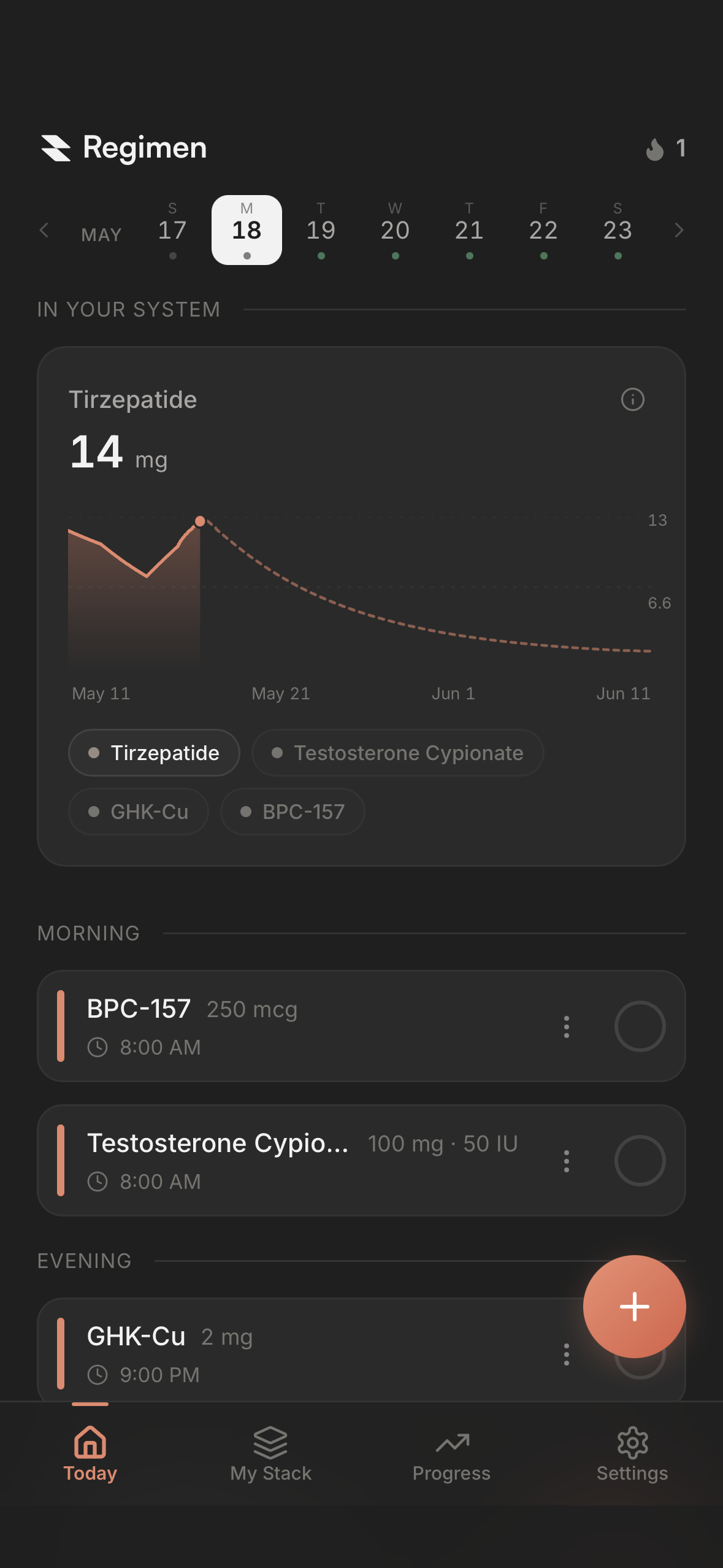
If you do make the move, the first couple of months are when you’ll want to actually see whether the pill is holding up for you. That’s the whole reason we built Regimen.
You can log your daily Foundayo pill (or your weekly shot, if you’re staying put), track your weight trend, note how your appetite and side effects are going, and keep your lab results in one place. When it’s time for that check-in with your provider, you walk in with a clear picture instead of a vague memory.
Whichever form you’re on, needle or pill, Regimen is the app that keeps the whole thing straight.
Frequently Asked Questions
Can I switch from Ozempic or Wegovy to the pill?
Yes, it’s possible, and it’s a common question right now. The pill (Foundayo) is FDA-approved. Your provider decides the actual plan, since it’s not a straight swap and you don’t stack the two.
Is the GLP-1 pill as effective as the shot?
Not quite as effective as the strongest shots. Foundayo got people to about 12% weight loss in its main trial, while tirzepatide (Zepbound/Mounjaro) has reached around 20% and semaglutide (Wegovy) around 15%. You’re often trading some weight loss for a lot more convenience.
Does the pill have fewer side effects than the injection?
Not really. It’s the same family of medication, so the possible side effects are similar: nausea, constipation, diarrhea, vomiting, stomach pain, and more. They tend to be worst when you’re first ramping up, whether you’re on a shot or a pill.
Do I have to take Foundayo on an empty stomach?
No. Foundayo can be taken any time of day, with or without food, and there are no water restrictions. You just swallow the tablet whole. (This is different from the oral semaglutide pill, which does require an empty stomach and a 30-minute wait.)
How much does the GLP-1 pill cost?
Foundayo starts around $149 a month self-pay at the lowest dose, as low as $25 a month with commercial insurance and a savings card, and $50 a month for eligible Medicare Part D members starting July 2026. Your real cost depends on your plan, so price it out with your provider or pharmacy.
Will my weight loss stall if I switch?
It might shift, since you may be moving from a stronger injectable to a somewhat less powerful pill. That’s exactly why the first couple of months matter: watch your weight trend and talk it through with your provider so you can tell whether the trade is working for you.
This article is educational and not medical advice. Talk to a licensed healthcare provider before starting, stopping, or switching any medication.
Ready to track your GLP-1?
- Smart reminders so you never miss a dose
- Track weight, photos, and progress over time
- Medication level curves for every compound